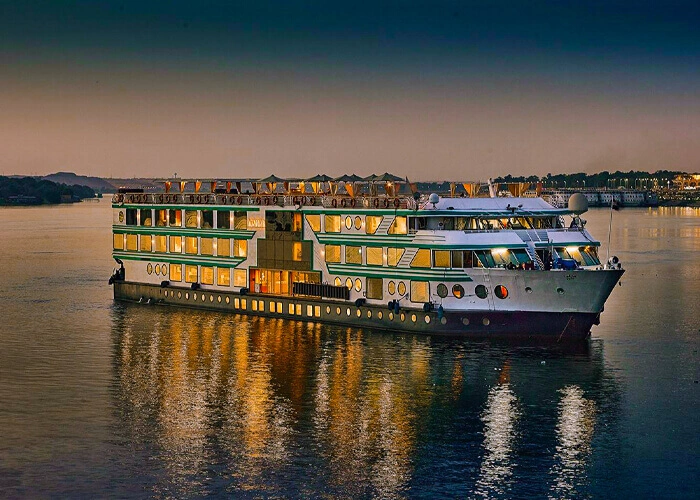
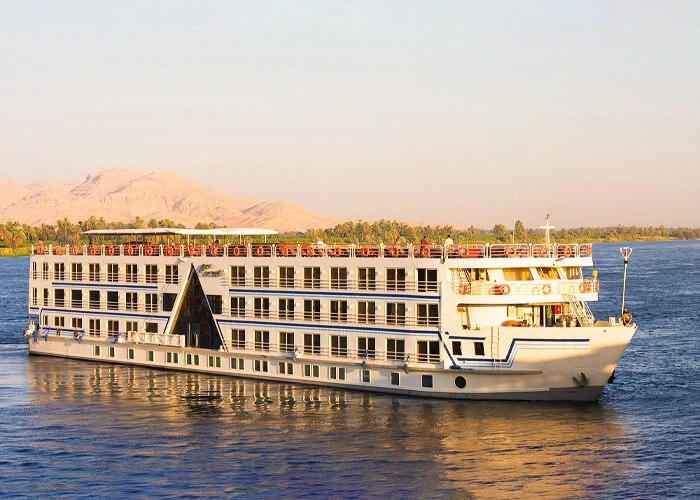
Ships sail normally during Ramadan and meals for guests are unaffected. What changes is ashore: sites and shops shift their hours, the day is quieter and the evening after iftar is livelier than usual. Some ships pause alcohol service. Crew are fasting, so patience is worth packing. Prices are often lower.
Nile cruises run normally during Ramadan — your ship serves all meals as usual, temples keep near-normal hours, and visitor numbers drop noticeably. What changes is ashore: restaurants may not open until sunset, towns are quiet by day and lively late at night, and some of your crew and guides are fasting through it. It is one of the quietest windows in an otherwise busy season.
Ramadan moves about eleven days earlier each year against the Gregorian calendar, so it drifts through the seasons. Confirm the dates for your year — they depend on the lunar sighting and are only fixed shortly beforehand.
Key takeaways
Ships sail normally and guest meals are unaffected.
Sites and shops shift their hours; the evening after iftar is the lively part of the day.
Some ships pause alcohol service — ask before you book.
Prices are often lower than the same week in another year.
What does not change
More than people expect.
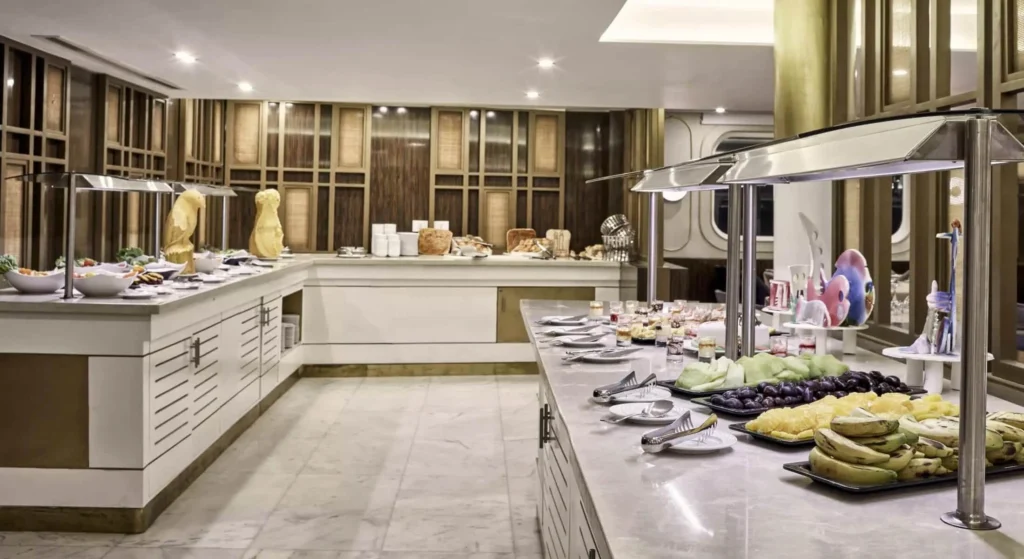
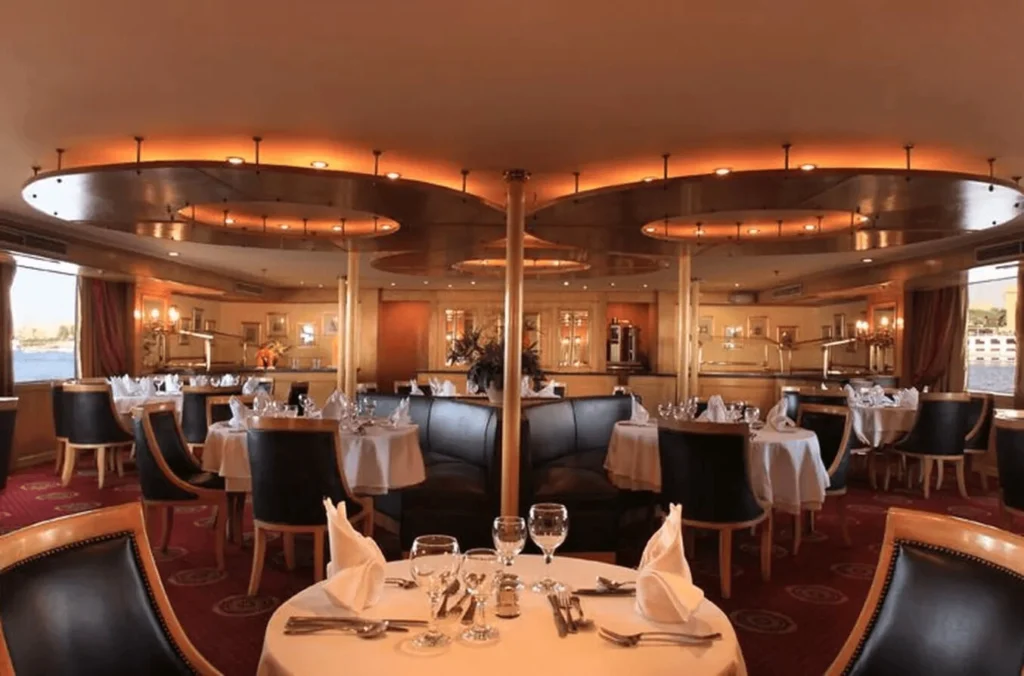
Your ship operates normally. Breakfast, lunch, dinner and the bar all run as usual, because the vessel caters to visitors. Nobody will ask you to eat discreetly or expect you to fast.
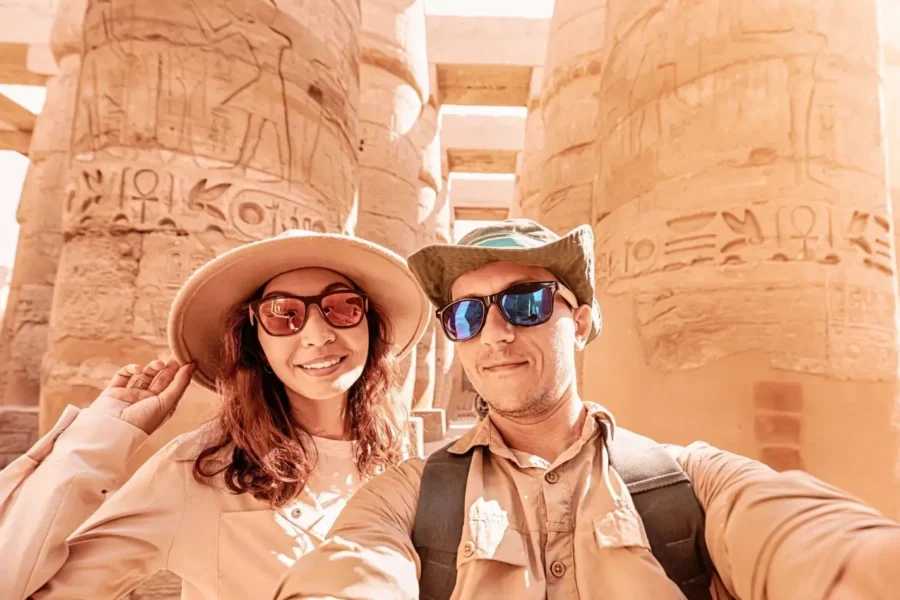
Temples and sites stay open, though some close an hour or so earlier in the afternoon so staff can get home for iftar, the meal that breaks the fast at sunset. Your guide will build the day around that.
Excursions run as scheduled. Museums, ticket offices and the tourism infrastructure keep working.
Flights and trains operate normally, though roads get genuinely chaotic in the half hour before sunset as everyone hurries home. Guides know this and avoid scheduling transfers then.
The souks come alive after iftar during Ramadan — later, warmer and better than the usual afternoon visit.
What does change
Ashore, during the day
Towns are quiet. Many restaurants and cafés stay shut until sunset, particularly the local ones rather than the tourist-facing ones. Shops keep shorter or shifted hours. The souks are subdued in the afternoon.
Tourist restaurants in Luxor and Aswan generally stay open, so you will not go hungry ashore — but the choice narrows and the atmosphere is different.
Ashore, after sunset
This is the part worth planning for. After iftar the towns come alive in a way they simply do not the rest of the year — streets full, families out, lights strung across the alleys, food everywhere, and it runs until two or three in the morning.
If your ship is moored overnight at Luxor or Aswan, going ashore after dark during Ramadan is one of the more memorable evenings available on this trip. Ask your guide where to go.
The people working for you
Some of your crew and guides will be fasting — no food and no water from dawn to sunset. In a 35°C afternoon that is a considerable thing, and they will not mention it.
Nothing is expected of you. But it is worth knowing when you are deciding what to leave in the tip envelope, and worth not asking a fasting guide to extend a two-hour temple visit at four in the afternoon. See the tipping guide.
Should you avoid it?
No, and there are arguments for deliberately choosing it.
Fewer visitors. Numbers drop during Ramadan even in what is otherwise high season. If your dates fall in the winter months, you get winter weather with well below winter crowds — which is a combination that does not otherwise exist.
Prices soften on some sailings for the same reason.
The evenings. Genuinely worth experiencing, and something no other time of year offers.
The one real drawback is eating ashore during the day, and on a cruise you are eating on board anyway. That makes a Nile cruise the easiest possible way to travel Egypt during Ramadan — far easier than a land-based trip where lunch becomes a daily problem.
Go to the souk after iftar, not before. Khan el-Khalili and the Aswan market come alive at exactly the hour you would normally be back on board.
What iftar actually is
Worth understanding rather than just working around, because it structures the entire day.
The fast runs from first light to sunset — no food, no water, no cigarettes. It breaks at the moment of sunset with iftar, traditionally with dates and water, then a full meal with family.
In the half hour before sunset the towns empty and the roads become genuinely frantic as everyone races home. Then, for about forty minutes, Luxor and Aswan go almost silent — shops shut, streets bare, the whole country eating at once. It is a strange and rather beautiful thing to witness from a ship’s deck.
An hour later everything reopens and stays open half the night.
There is also suhoor, the meal before dawn, which is why you may hear a drummer walking the streets at three in the morning waking people to eat. If your ship is moored in town, you will hear it.
Guest meals run to the normal timetable; the crew eat before dawn and after sunset.
Charity tables and public iftar
One thing visitors are often surprised by: the long tables of free food set up in streets across Egypt during Ramadan, called mawa’id al-rahman — tables of the merciful. Funded by local businesses and families, open to anyone, and genuinely open to anyone.
You will see them in Luxor and Aswan. As a visitor you would not normally sit down uninvited, but if you are invited — and people do invite — accepting is the right answer and the memory most travellers bring home from a Ramadan trip.
Etiquette, briefly
Nobody expects visitors to fast, and Egypt is used to receiving tourists year-round. A few things are simply courteous:
Do not eat, drink or smoke visibly in the street during daylight. On the ship, at your hotel and in tourist restaurants it is entirely fine.
Dress a little more conservatively than usual when ashore — see what to wear.
Do not schedule anything demanding just before sunset. Everyone is hungry, tired and heading home.
Ramadan kareem is the greeting. It is appreciated and takes two seconds to learn.
If you are invited to iftar, go. Hospitality during Ramadan is a real thing and the invitation is genuine.
Ship restaurants serve normally through Ramadan — the fasting hours affect the crew's day, not the guests' meals.
Eid al-Fitr
The three-day festival that ends Ramadan is a different proposition again.
Domestic tourism spikes hard. Egyptian families travel, hotels in Luxor, Aswan and the Red Sea fill up, and sites become busy with local visitors rather than foreign ones. Some offices and services close.
It is a lively and enjoyable time to be here, but if you were choosing Ramadan for the quiet, Eid is the opposite of that. Check whether your dates overlap the last few days of Ramadan and the three that follow.
How Ramadan interacts with the season
Because Ramadan drifts about eleven days earlier each year, what it means for your trip depends heavily on where it lands.
When it falls in the winter months — roughly the case in the mid-2020s and into the late 2020s — it sits inside peak cruising season. That is the best possible combination: 23 to 30°C, clear skies, and visitor numbers well below what those dates would normally carry. If you want winter weather without winter crowds, this is the only reliable way to get it.
When it falls in spring or autumn, the effect is milder. Those months are already shoulder season, so the drop in numbers is less dramatic.
When it falls in high summer, it compounds an already difficult month. Fasting through a 42°C day is hard on the people working for you, and the towns are quieter still. Sites remain open and cruises still run, but this is the combination we would steer people away from unless the dates are fixed.
Check where it lands for your year before deciding whether it is an opportunity or a complication.
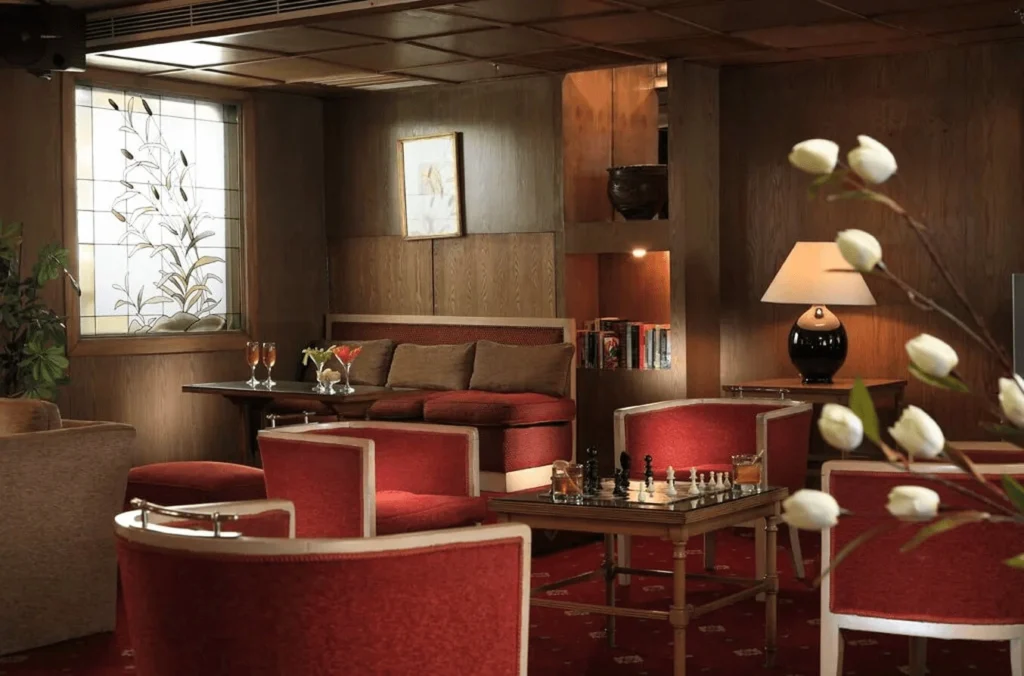
Lounges stay open, but live entertainment is usually paused for the month on most ships.
Planning around it
Practical steps if your trip falls in Ramadan:
Confirm the dates for your year before booking. They shift annually and are confirmed shortly beforehand.
Take a cruise rather than a land tour. Meals are solved.
Ask your operator to schedule morning excursions and keep late afternoons light.
Plan at least one evening ashore after iftar. This is the point.
Avoid the Eid window if you are travelling for quiet.
Carry water discreetly during the day — you still need it, particularly if Ramadan falls in the hotter months. Drink it in the coach, not in the street.
If your dates overlap and you want to know exactly what it means for your itinerary, send them to us.
Frequently asked questions
Can you take a Nile cruise during Ramadan?
Yes. Ships operate normally and serve all meals as usual, temples keep near-normal hours, and excursions run as scheduled.
Do restaurants close during Ramadan?
Many local ones stay shut until sunset. Tourist restaurants in Luxor and Aswan generally stay open, and on a cruise you are eating on board anyway.
Is it disrespectful to eat in public during Ramadan?
Eating, drinking or smoking visibly in the street during daylight is best avoided. On the ship, at your hotel and in tourist restaurants it is completely fine.
Are temples open during Ramadan?
Yes, though some close an hour or so earlier so staff can reach home for iftar. Your guide will plan around it.
Is Ramadan a good time to visit Egypt?
It can be an excellent one. Visitor numbers drop, some prices soften, and the evenings after sunset are the liveliest of the year. A cruise is the easiest way to travel Egypt during Ramadan.
When is Ramadan?
It moves about eleven days earlier each year and depends on the lunar sighting, so confirm the dates for your specific year before booking.
What about Eid al-Fitr?
The three-day festival ending Ramadan brings a surge of domestic tourism. Hotels fill and sites get busy with Egyptian families. Avoid it if you are travelling for quiet.
Will my guide be fasting?
Possibly, and they will not mention it. Nothing is expected of you, but it is worth keeping late-afternoon demands light and bearing it in mind at tipping time.
Sailing during Ramadan?
Send us your dates and a rough budget — a specialist replies with three ships across categories, live availability and a written price. No online payment.
Written byMagdy Fattouh38 guides published on this site
Magdy Fattouh is a Cairo University history graduate and the writer behind the guides on this site. Over 13 years he has researched and written about Egypt's history, its monuments and how to travel to them — from the pharaohs and the temples to month-by-month planning, ship comparisons and day-by-day itineraries. He speaks English and Arabic, and reviews every guide here for accuracy before it is published.
Read more by Magdy Fattouh →
Ten to seventeen hours depending on your coast, and a seven to ten hour time shift. Why twelve days beats seven, how to sequence Cairo, and what Thanksgiving…
Five hours direct from London with a one-hour time difference. What ATOL does and does not cover on a direct booking, sterling costs, and why February half term…
We use essential cookies to make this site work. With your permission we also use Google Analytics cookies to understand how the site is used, so we can improve it. We never use cookies for advertising. Cookie Policy
Strictly necessaryRemember your cookie choice and keep the site secure. Always on.
Always on
Google Analytics: which pages are visited and how people find us. No personal profile, no advertising.


 Planning